
Making sure all young people get the most out of their education. Explore how youth work is enhancing educational outcomes and skill development, paving the way for brighter futures for young people in Scotland.

Youth work plays a crucial role by complementing formal education and allowing young people to develop key skills that contribute to their readiness to learn, all underpinned by the Youth Work Outcomes & Skills Framework. Youth work initiatives have led to 82% of young developing new skills, while post-covid education recovery initiatives saw 4 out of 5 young people overcoming barriers to learning.
Youth work not only addresses academic needs but understands that the classroom is only one environment for young people to thrive. We all have unique and incredibly complex educational needs. Youth work’s person-centred approach promotes engagement and enthusiasm for learning, helping young people flourish.
Youth work’s approach to meeting young people’s educational needs is inclusive, providing tailored support that meets the diverse needs of young people, ensuring they are equipped for success both inside and outside the classroom.
Find out what people in the youth work sector and beyond have to say about the impact of youth work on education and skills.






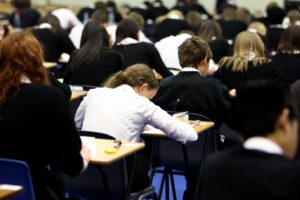


View some of the key projects, case studies, people and organisations that are exploring the impacts of youth work on education and skills.
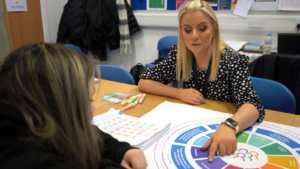


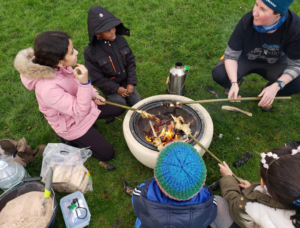

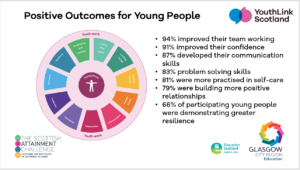
For a number of years now, we’ve been travelling across Scotland to film the most impactful youth work and schools partnerships we work.
When conducting video case studies, we aim to capture the views of head teachers, youth work practitioners and young people about the value of collaborative work between formal education and youth work providers.
Watch our videos below to hear from the pupils and teachers who work hand-in-hand with youth work teams to ensure young people are able to get the most out of their education. The partnership models might change from school to school, but the outcomes remain the same: pupils are more engaged, have increased readiness to learn and experience much-improved wellbeing.

