
YouthLink Scotland strengthened the connection between youth work, education and employability across Scotland, supporting practitioners, influencing policy and promoting partnership approaches that help young people engage, learn and progress.
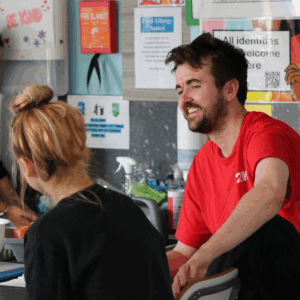
YouthLink Scotland continued to highlight the contribution of youth work within the Scottish Attainment Challenge (SAC) and the wider education landscape.
This included:
YouthLink Scotland played an active role in national discussions shaping the future of education, helping ensure youth work is recognised as part of Scotland’s education and skills system.
This included:
YouthLink Scotland delivered professional learning and guidance to strengthen partnership working between youth workers and teachers.
Highlights included:

Throughout the year, YouthLink Scotland shared and promoted examples of effective youth work and school partnerships linked to national moments including:
A national study was also published evidencing youth work’s impact on young people’s readiness to learn across a range of educational settings.
Across Scotland, youth work and school partnerships are effectively collaborating to improve school attendance and engagement in learning – ultimately improving educational outcomes and life chances for children and young people.
YouthLink Scotland has been working alongside Education Scotland to support their focus on attendance and engagement. The resources created highlight good practices and approaches for schools and youth work teams working collaboratively to create the right conditions for engagement and learning. They are designed to complement the resources available on Education Scotland’s website.
Youth Work Improving School Attendance and Engagement
Outlines how youth work can help address barriers to learning and build readiness to learn, with approaches that support meaningful engagement.
The Role of Youth Work in Supporting Young People’s Readiness to Learn
Evidence from practice demonstrating how youth work improves wellbeing, participation, attendance and engagement across different learning settings.
Youth Work: A Guide for Attainment Advisors and SAC Leads
Provides practical guidance for local authorities and schools on integrating youth work to strengthen equity, progression and partnership approaches.
A Rights-Based Approach to Tackling Engagement and Attendance
Developed with LAYC and City of Edinburgh Council, this resource places young people’s lived experience at the centre of understanding and addressing attendance challenges.
A Collaborative Approach to Tracking Achievement
A step-by-step guide enabling youth work and school partners to track skills, progress and achievements using the National Youth Work Outcomes and Skills Framework.
Lost in Translation (Updated 2024)
A resource designed to support shared language, joint planning and improved communication between youth work and school practitioners.
YouthLink Scotland continued to support teams across Scotland to embed the National Youth Work Outcomes and Skills Frameworks across planning, delivery and evaluation.
This included:
YouthLink Scotland contributed to national leadership by participating in the LfS Leadership Group, supporting the LfS Partner Forum, and contributing to the UNECE ESD UK reporting process.
A series of webinars delivered in partnership with Learning for Sustainability Scotland reached 136 participants, covering:

Evaluation of the two-year Natural Leaders programme demonstrated strong impact on transitions from primary to secondary. Headline findings include:
A new resource was co-designed by YouthLink Scotland, RSPB and schools for teams wishing to adopt the approach.
This year’s work has strengthened the place of youth work within Scotland’s education and skills system. Schools and youth work teams are better equipped to work together, practitioners have access to clear guidance and evidence, and young people benefit from improved support, learning opportunities and engagement.
Work across Learning for Sustainability supported practitioners to engage young people in climate justice, global citizenship and complex social issues in informed, confident ways.
The resources and partnerships developed this year contribute to a more equitable, collaborative and learner-centred system, one where youth work plays a recognised role in improving attendance, engagement, wellbeing and progression for young people.