
A new AI toolkit developed with young people in Scotland reveals deep concerns about jobs, body image and misinformation, alongside a clear call for ethical, transparent use of artificial intelligence.

Young people across Scotland say they are far more aware of the risks of AI than many adults realise, and are calling for honesty, safeguards and space to talk about how AI is shaping their lives.
That’s one of the key findings from Our Futures and AI: A Youth Work Toolkit, launched today following a year-long co-design project led by YouthLink Scotland, alongside partners, with young people and youth workers in Leith and Aberdeenshire.
Many of the young people who participated were already using AI in multiple ways. They spoke about the value of learning more about the practical uses of AI, its potential in helping them study and find jobs, as well as the fears and challenges.
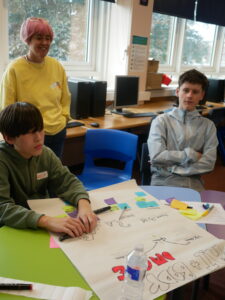
Through the new national toolkit, young people aren’t only being taught how to use AI, instead they’re being taught how to question it. In fast-paced, hands-on workshops, participants create fake online campaigns to see how easily misinformation spreads; they ask AI blunt questions about controversial influencers like Andrew Tate to examine how so-called “neutral” answers can quietly shape opinions; and use image-generation tools to expose bias, stereotypes and unrealistic body images.
Rather than seeing AI as futuristic or abstract, young people described it as “everywhere”, influencing what they see online.
“Even if you know something is AI generated, it can still mess with your head.” – Young person, The Citadel
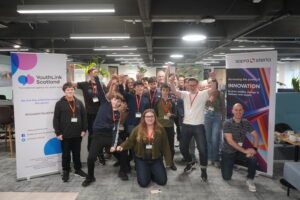
The project uncovered several striking insights that challenge common assumptions about young people and technology.
Young people are keenly aware of AI bias and misinformation. Participants quickly identified that AI systems can be inaccurate, misleading or biased, often amplifying stereotypes around gender, race and body image. Many stressed the importance of fact-checking and questioning sources.
The project helps young people to see how knowing how to use generative AI well is important in landing a job. “AI makes me worried at times about jobs. I love art and worry about how artists will work in the future.”
Algorithms are shaping confidence and self-image. Activities exploring filters and social media feeds revealed how recommendation algorithms and image-editing tools intensify comparison and damage self-esteem, even when users know content isn’t real.
“Social media and algorithms can make you feel rubbish. It’s not nice how much it makes you compare yourself to others.”
Young people want transparency. Rather than calling for AI to be switched off, young people consistently argued that AI-generated images, videos and content should be clearly labelled, and that adults should stop dismissing concerns with “just ignore it”.
“Being told to just ignore it is no good. It’s better when adults understand that AI is part of everyday life and give us space to talk about it.”
Youth workers involved said the project exposed a significant gap between public debate about AI and young people’s lived experience.
Tim Frew, CEO of YouthLink Scotland, said:
“We cannot stand on the sidelines while AI reshapes young people’s lives. This work shows that young people don’t need lectures or scare stories, they need informed adults who are willing to engage with the complexity, ethics and power behind these systems.”
Ryan McKay of The Citadel in Edinburgh added:
“What made this project meaningful was not trying to turn young people into AI experts, but creating space for them to question, explore and reflect critically. This toolkit offers practical, youth-centred ways to engage with AI and reflects the voices of young people already navigating these systems every day.”
Luci Holland, Senior Producer, Tinderbox Collective said:
“The complexities of Artificial intelligence and machine learning are often challenging to understand and engage with, but necessary in order to safeguard and strengthen our communities, make informed decisions, and advocate for responsible engagement with AI. The YouthLink Scotland toolkit is a needed, informative and cohesive resource and guide for those in the youth and community work space, and an excellent contribution for supporting the sector.”
Darren Links, Technology Advisory from Sopra Steria Next also said:
“By working with Youthlink Scotland, we’re pleased to be able to help enthusiastic young people to understand AI and how it can drive positive change in business and society. We’re committed to making a real difference to our communities, which includes inspiring the next generation to use technology with confidence, creativity, and purpose.”
The toolkit launches at a time when AI is increasingly embedded in education, public services and social media, often without meaningful discussion of children’s rights, data privacy or bias.
YouthLink Scotland is calling for: